|
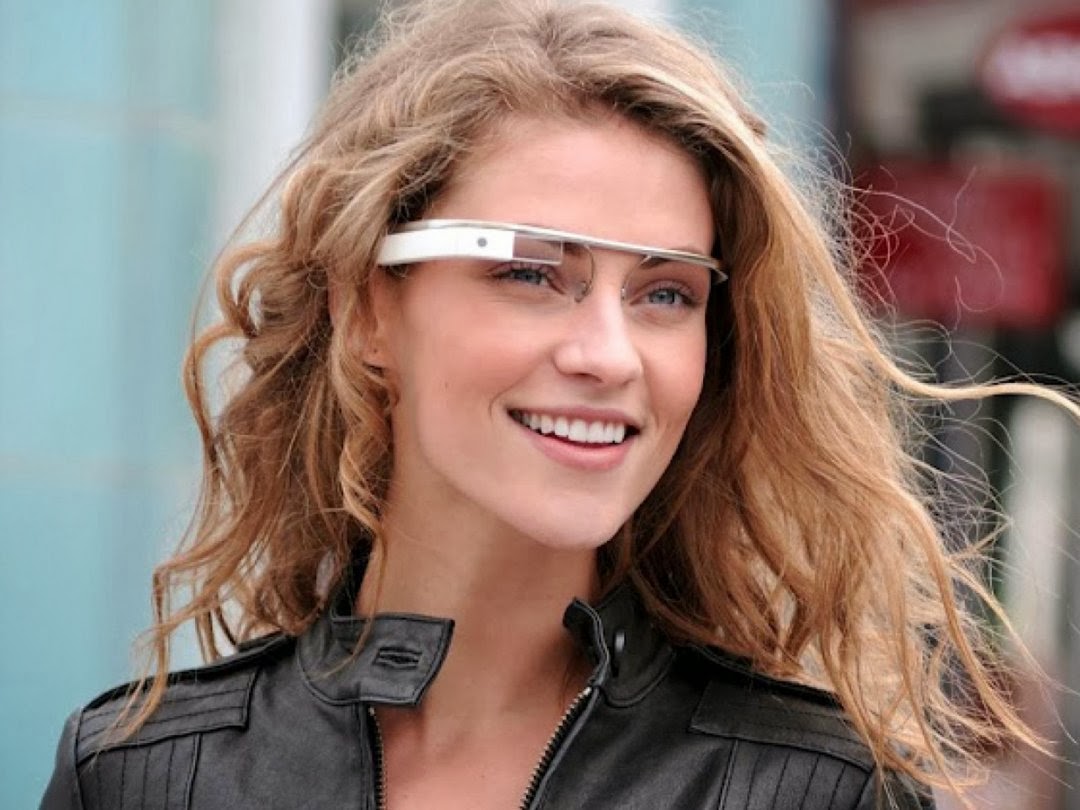
| Photo: Luke MacGregor/Reuters via The Atlantic. |
Here a very interesting article on the virtues of working less, which for us of course means worrying less about occupying your time with meaningful procrastination activities like visiting galleries, picnicking outdoors when the sun is shining, exercising or simply clicking on another tab and devoting 5 minutes to reading an inspiring article, instead of engaging into a starting contest with your computer screen just for cultural inertia.
"Even though the amount of time you work tends
to match how productive you are as if on a sliding scale, length of work
and quality of work at a certain point become inversely related. At
some point, in other words, the more you work, the less productive you
become.
For example, working long hours often leads to productivity-killing
distractions.
Such is an instance of the saying known as Parkinson’s law, which
states that work expands so as to fill the time available for its
completion. Work less, and you’ll tend to work better.
Many people are still stuck on the fundamental importance of
work compared to free time: the structure it gives, the purpose it
affords, the morality it signifies. But what if we viewed leisure time
not as goofing off, but as necessary time for reflecting, for inspiring
creativity, and for saving up brainpower and energy for future work?" Read full article
in The Atlantic. E.T.P. 7'
 |
| Illustration via Wired. |
Mat Honan liked everything he came across in Facebook for 48 hours, here's what he has to say about his experiment: "The like and the favorite are the new
metrics of success—very literally. Not only are they ego-feeders for the
stuff we put online as individuals, but advertisers track their
campaigns on Facebook by how often they are liked. A recent
New York Times story on a krill oil ad campaign
lays bare how much the like matters to advertisers. Liking is an economic act.
I like everything. Or at least I did, for 48 hours. Literally
everything Facebook sent my way, I liked—even if I hated it. I decided
to embark on a campaign of conscious liking, to see how it would affect
what Facebook showed me. I know this sounds like a stunt (and it was)
but it was also genuinely just an open-ended experiment." Read full article in
Wired. E.T.P. 7'